Making the Right Choice
Tradition, practicality, and what modern Indian weddings actually do

The Soul of Tradition
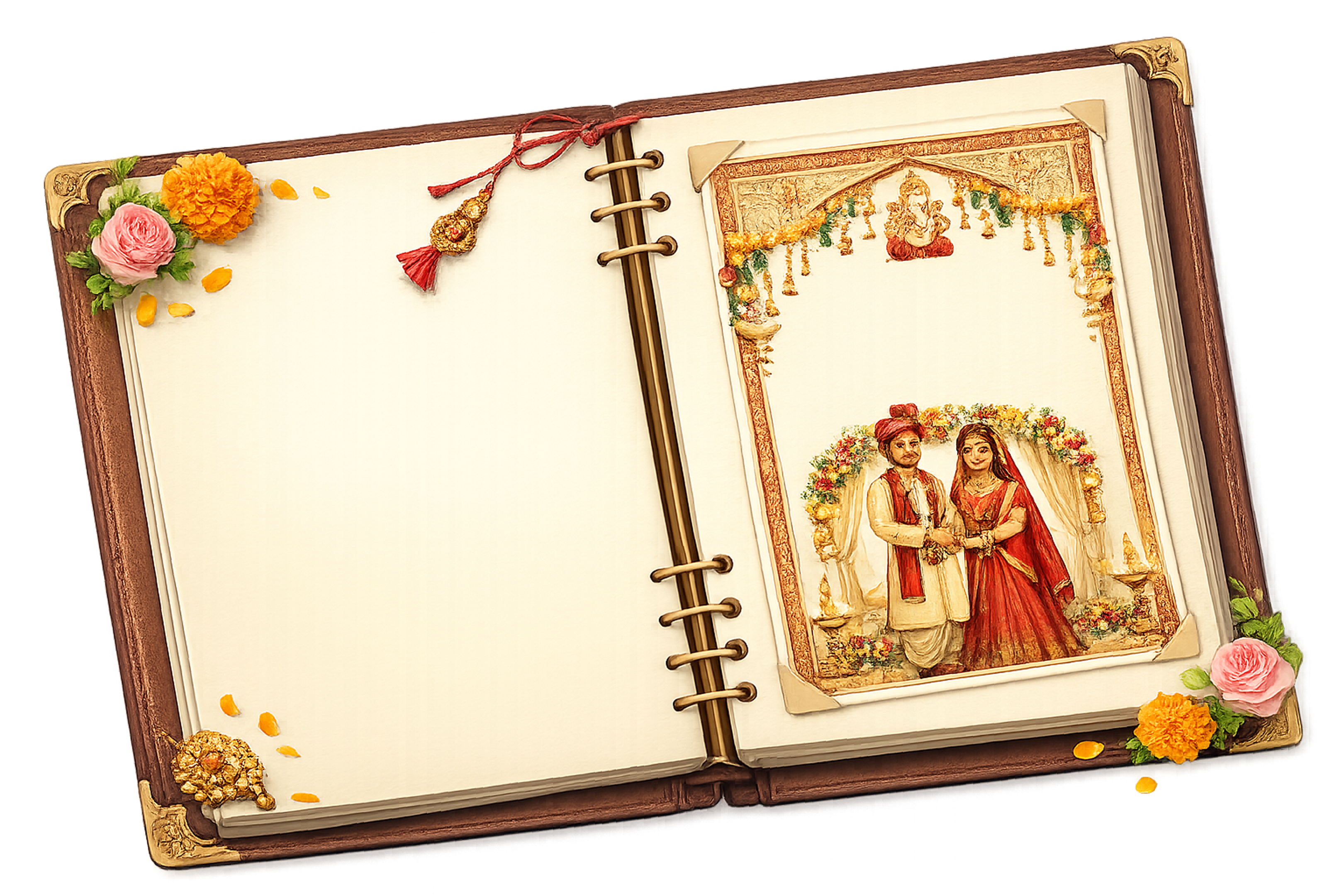
For generations, the physical wedding invitation has been a sacred messenger — a tangible symbol of respect personally delivered to elders. In many Hindu households, the invitation card itself is considered auspicious and meaningful, often kept as a keepsake long after the wedding.
The Pull of Modernity
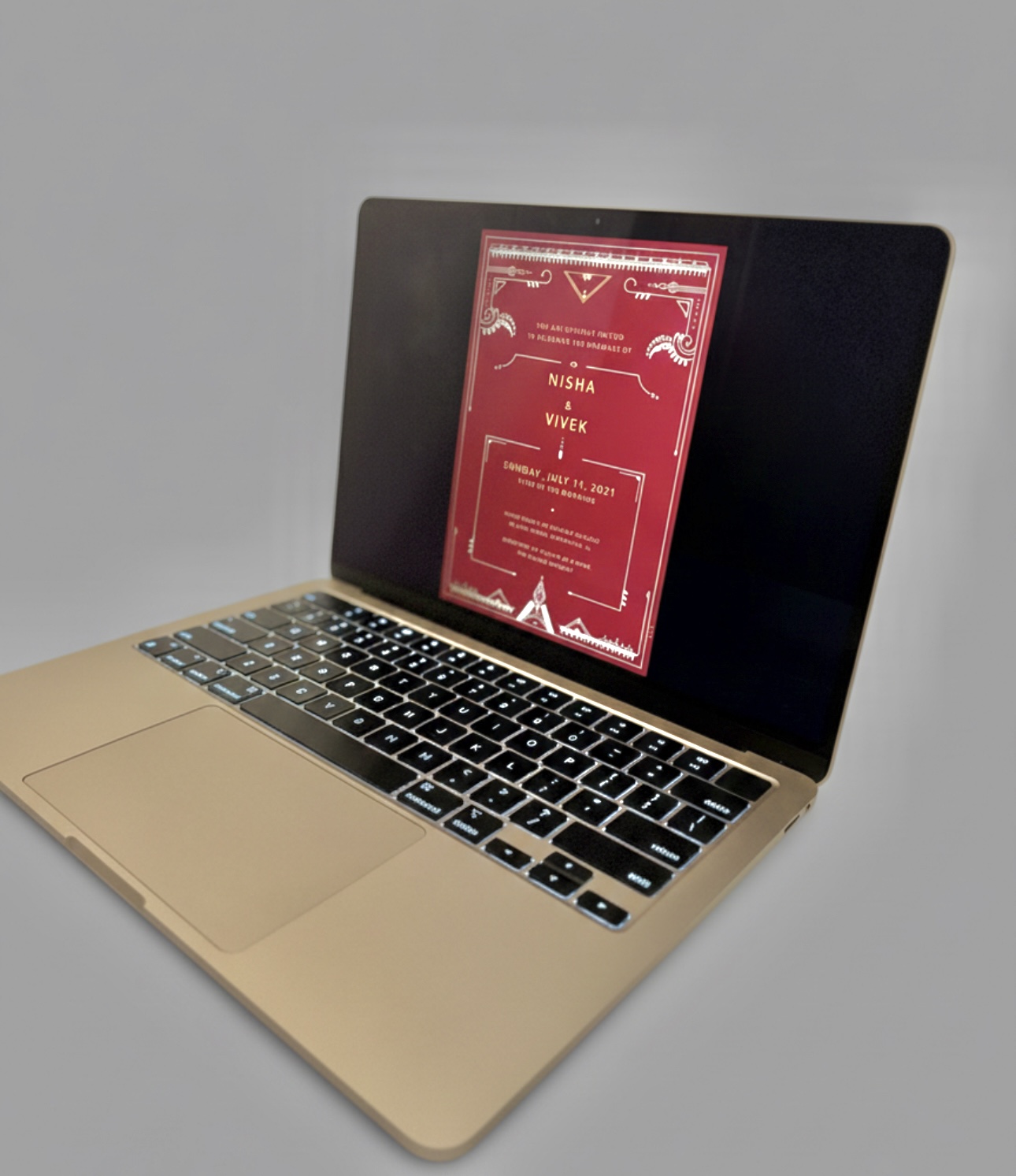
Today’s weddings are larger, more global, and more complex. Digital invitations and wedding websites allow couples to instantly reach guests, manage RSVPs, share event schedules, and make last-minute updates — all without printing delays or added costs.
At a Glance: Digital vs. Physical
A practical comparison based on real wedding planning needs.
Cost of Invitation
Digital invitations eliminate printing, envelopes, and postage.
Speed of Delivery
Digital invites arrive immediately; printed invites require production and mailing.
Tradition & Formality
Printed invitations remain the most culturally respectful option for elders and formal ceremonies.
RSVP Management
Digital platforms automate RSVPs, reminders, and guest lists.
Eco-Friendly
Paperless invitations reduce waste and environmental impact.
Keepsake Quality
Printed invitations are often saved as family mementos.
Our Recommendation
Digital invitations are ideal for speed, flexibility, and easy guest management, while printed invitations remain unmatched for honoring tradition and formality. For most couples, we recommend a hybrid approach, sending printed invitations to elders and close family, and using digital invitations paired with a wedding website for friends and extended guests. This approach balances cultural respect with modern convenience and helps keep planning organized from start to finish.
Deep Dive: How to Choose the Right Option for Your Wedding
When comparing digital and printed Indian wedding invitations, evaluating a few core factors makes the decision clearer and less stressful.
- 1
Cost of Invitation
Digital invitations are generally low-cost since they avoid printing, envelopes, and mailing altogether. This makes them especially appealing for large Indian weddings where guest lists can quickly grow. Printed invitations, while beautiful, can become expensive once you factor in premium paper, multiple inserts, envelopes, postage, and potential reprints for last-minute changes.
Questions to Ask:
- "Does the option eliminate printing and postage costs?"
- "Will costs increase as your guest list grows?"
- "Are there hidden expenses like envelopes or reprints?"
- 2
Speed of Delivery
Digital invitations are delivered instantly, allowing couples to share details or updates at any time without delay. Printed invitations require design approval, production, and mailing, which often takes several weeks and can be impacted by vendor timelines or postal delays.
Questions to Ask:
- "How quickly will guests receive the invitation?"
- "Does production time affect your planning timeline?"
- "Are there delays due to shipping or mailing?"
- 3
Tradition & Formality
Printed invitations remain the most culturally respectful option for elders and formal Indian wedding ceremonies, symbolizing honor and effort. While digital invitations are convenient, some family members may perceive them as informal or less meaningful for significant religious or traditional events.
Questions to Ask:
- "Will elders expect a physical invitation?"
- "Does the format feel appropriate for formal ceremonies?"
- "How important is cultural tradition in your family?"
- 4
RSVP Management
Digital invitations simplify RSVP tracking by automating responses, reminders, and guest list updates in one place. This reduces manual follow-ups and confusion. Printed invitations typically rely on phone calls or messages to track attendance, which can be time-consuming and harder to manage as the event approaches.
Questions to Ask:
- "Can RSVPs be tracked automatically?"
- "Are reminders sent to guests?"
- "How easily can guest lists be updated?"
- 5
Eco-Friendliness
Paperless digital invitations significantly reduce paper waste and environmental impact, especially when guest lists change. Printed invitations often result in unused extras or discarded inserts, which can feel wasteful for couples who value sustainability.
Questions to Ask:
- "Does this option reduce paper waste?"
- "Will unused invitations be discarded?"
- "Is sustainability important to you as a couple?"
- 6
Keepsake Value
Printed invitations are often kept as meaningful keepsakes by parents and close family, serving as a tangible reminder of the celebration. Digital invitations prioritize convenience and accessibility, but they typically lack the emotional and sentimental value of a physical invitation.
Questions to Ask:
- "Do you want a physical memento from your wedding?"
- "Will family members save the invitation?"
- "Is sentimental value important?"
Frequently Asked Questions
Common concerns couples have when choosing invitations.
More Planning Resources
Comprehensive guides for every step of your event planning journey